
The Nature of Luck in Gambling
Luck is often perceived as a mysterious force that influences the outcomes of gambling activities. In casinos, the randomness of games like slot machines, roulette, and card games creates an environment where chance significantly determines results. Players engage in these games with the hope that fortune will favor them, especially when considering popular bitcoin betting sites that add an extra layer of excitement. Despite strategies and skills that can be employed, the inherent unpredictability of these games suggests that luck is a crucial element in achieving success. The very fabric of gambling is intertwined with the concept of luck, making it a vital aspect for players looking to win.
This element of luck not only adds excitement but also serves as a psychological distraction from the often lengthy odds associated with gambling. Players may convince themselves that their success is not solely a product of chance but also their skill in reading the game. However, the reality is that while skill may influence certain aspects of gameplay, the role of luck cannot be overlooked, as it is central to the experience of casino gaming. The thrill of a jackpot often hinges on that one lucky moment, underscoring luck’s undeniable presence.
Furthermore, the concept of luck varies among players and can be affected by personal beliefs and experiences. Some individuals may adopt superstitions, believing that certain rituals or behaviors will improve their fortunes. This psychological connection to luck enhances the thrill of gambling and keeps players returning to the tables or machines, hoping to strike it big on a lucky roll or spin. This phenomenon reinforces the idea that luck is not merely a random occurrence but a deeply ingrained aspect of the gambling experience that players cherish.
The Role of Probability in Games of Chance
Every game in a casino is governed by specific probabilities that dictate the likelihood of various outcomes. While players may use strategies to increase their chances of winning, the reality remains that much of the outcome is determined by probability. For instance, in games like blackjack, understanding the odds can help players make informed decisions, but luck still plays a vital role in the cards they are dealt. The very nature of these games relies on probabilities that inherently include an element of unpredictability, making luck a key player in determining the game’s outcome.
Casinos design their games around these probabilities to ensure that the house always has an edge, a mathematical certainty that reinforces the importance of luck. The house edge is what allows casinos to remain profitable over time, even when players experience short-term wins. This consistent aspect of probability illustrates that while players may win occasionally, sustained success is rarely achieved without a fair amount of luck. The intertwining of probability and luck creates a dynamic environment where outcomes are as unpredictable as they are thrilling.
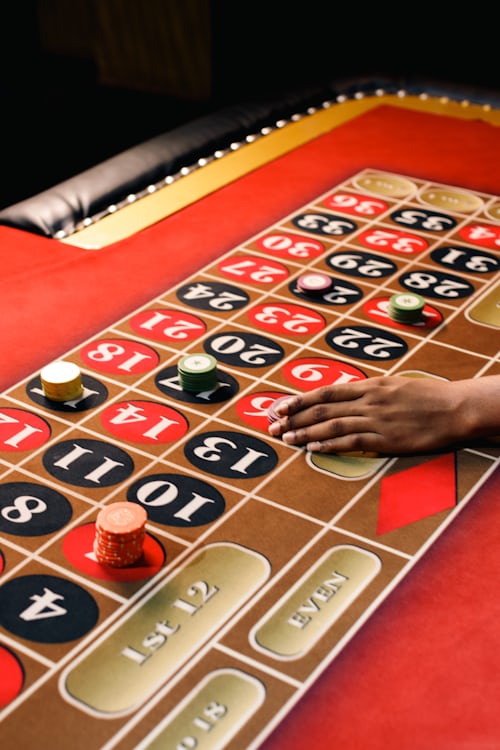
Moreover, the interaction between skill and luck in gambling is a complex one. Skilled players may minimize losses and maximize wins in the long run through calculated decisions, but luck can tip the scales dramatically in any individual game session. This unpredictable nature emphasizes that gambling is not purely a game of skill but rather a unique blend of chance and strategy where luck often reigns supreme. In this context, it becomes clear that while players may strive for mastery, they must also embrace the whims of fortune.
The Psychological Impact of Luck on Players
The belief in luck can significantly influence a player’s gambling experience. Many players attribute their wins to lucky streaks, while losses may be dismissed as bad luck. This psychological framework can create a cycle where players continue to gamble in hopes of recapturing past successes, often leading to prolonged engagement with casino games. The thrill of potential fortune is a powerful motivator, keeping players invested in their gaming experience and enhancing the overall atmosphere of excitement within the casino.
Moreover, the fluctuation of luck can trigger a range of emotions, from excitement to frustration. Players often share stories of near-misses and lucky breaks, reinforcing the social aspect of gambling. This communal belief in luck, whether through shared excitement at a table or conversations about past wins, can create a sense of camaraderie among players, further deepening their involvement in casino culture. The shared experiences around luck create bonds among players, making the gaming experience not just about winning or losing but about the connections formed in the journey.
Additionally, the intermittent reinforcement of wins in gambling creates a psychological reward system. This behavior is similar to the way slot machines operate; the unpredictability of winning a small prize or hitting a jackpot encourages continual play. This mechanism illustrates that luck is not only a statistical aspect of gambling but also a critical factor in the overall experience and attachment players may develop toward casino gaming. The emotional highs associated with lucky wins can make players more likely to return, as they chase that exhilarating feeling of victory.
The Influence of Luck on Casino Design and Marketing
Casinos understand the significance of luck in drawing players in and encouraging them to spend time and money within their establishments. The design of casinos is strategically crafted to enhance the feeling of luck and excitement. Bright lights, vibrant colors, and the sounds of spinning wheels and ringing machines create an atmosphere saturated with the promise of fortune. This thoughtful design fosters an environment where players feel optimistic about their chances, even when the odds are stacked against them. The visual and auditory stimuli work together to create an immersive experience that heightens the perception of luck.

Marketing strategies also capitalize on the allure of luck. Promotional offers, free spins, and jackpots create an inviting atmosphere where luck appears to be within reach. Campaigns often highlight stories of winners, further perpetuating the idea that anyone can hit it big with just a sprinkle of good fortune. This marketing approach exploits the human tendency to believe in luck and encourages players to visit the casino with the hope of becoming the next success story. By framing gambling as a pathway to fortune, casinos can entice more players into their environments.
Moreover, the implementation of loyalty programs is another facet that intertwines luck with customer retention. Players are often rewarded with points or incentives based on their gaming activity, fostering a cycle of continuous play. By reinforcing the idea that luck can be cultivated through engagement, casinos keep players returning in hopes of eventually getting lucky. This seamless integration of luck into various aspects of casino operations underscores its importance in both player experience and business success, driving the financial engine of casinos while maintaining player interest.
The Role of Online Casinos and Luck
The rise of online casinos has transformed the landscape of gambling, blending traditional elements with innovative technology. Luck remains a defining feature in this digital realm, where games are designed to replicate the excitement of physical casinos. Random Number Generators (RNGs) are utilized to ensure that game outcomes are unpredictable and fair. This technological reliance on luck embodies the essence of gambling, where every spin, deal, or roll is left to chance, making the online experience as thrilling as its brick-and-mortar counterparts.
In online casinos, the accessibility and convenience of gambling make it easier for players to engage with their favorite games, fueled by the hope of luck. The spontaneous nature of online gaming can create a sense of urgency, as players chase big wins from the comfort of their homes. This immediacy adds a layer of thrill, reinforcing the connection between luck and the excitement that online casinos offer. Players can find themselves caught up in the moment, driven by the desire for that elusive lucky break that could change their fortunes.
Moreover, the community aspect of online casinos is evolving, with many platforms incorporating social features that allow players to interact and share their experiences. These online environments often replicate the social experiences found in physical casinos, fostering beliefs in luck as players celebrate victories and commiserate over losses together. In this rapidly changing landscape, the role of luck in gambling remains as significant as ever, influencing player behavior and experience alike. The digital age has not diminished the importance of luck; rather, it has transformed how players perceive and engage with it in their gaming journeys.